
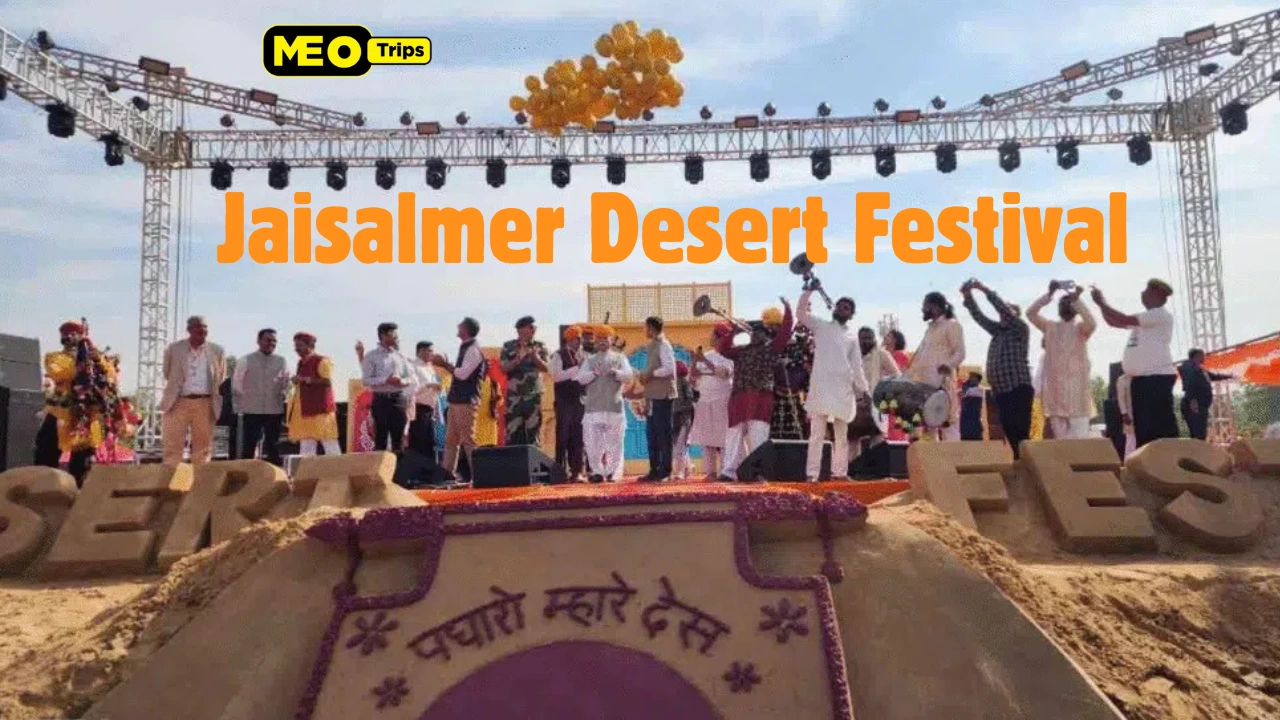
The Jaisalmer Desert Festival 2026 is not just an annual celebration; it is an invitation to step into the timeless rhythm of the Thar Desert. When winter arrives, the golden sands surrounding Jaisalmer come alive with music, colors, stories, and traditions that have survived centuries of harsh desert life. For travelers seeking an authentic cultural journey rather than a rushed sightseeing trip, this festival offers depth, emotion, and unforgettable memories.
Jaisalmer, often called the Golden City, stands apart from other destinations in Rajasthan because of its location, history, and desert identity. The Desert Festival celebrates all of this together, blending royal heritage, folk traditions, adventure, and community life into a multi-day experience. In 2026, the festival is expected to attract an even more diverse global audience, making it one of the most significant cultural events in India’s travel calendar.
Jaisalmer Desert Festival 2026: Dates and Overview
The Desert Festival is traditionally organized in February, coinciding with favorable weather and peak tourist season in Rajasthan.
Festival Dates and Duration
| Detail | Information |
|---|---|
| Expected Dates | 10 February – 12 February 2026 |
| Total Duration | 3 Days |
| Season | Winter |
| Main Locations | Jaisalmer City, Sam Sand Dunes |
| Best Days to Attend | All three days (evenings are most vibrant) |
These dates are based on historical scheduling patterns of Rajasthan Tourism. Final dates are officially announced closer to the event.
Daily Timings and Flow of the Festival
The festival follows a natural rhythm, with relaxed mornings, active afternoons, and energetic evenings. Understanding the daily flow helps travelers prioritize experiences.
Daily Time Schedule
| Time | What Happens |
| 9:00 AM – 12:00 PM | Cultural exhibitions, artisan stalls, heritage walks |
| 12:00 PM – 4:00 PM | Traditional competitions, camel events, local food |
| 4:30 PM – 6:30 PM | Camel safaris, jeep safaris, sunset views |
| 7:00 PM – 10:30 PM | Folk music, dance, fire shows, cultural nights |
Most travelers prefer keeping daytime flexible and focusing on evening programs, which are the highlight of the Jaisalmer Desert Festival 2026.
Major Events and Cultural Experiences
The festival celebrates desert life through performances and competitions that are still part of everyday culture in rural Rajasthan.
Key Events at a Glance
| Event | Cultural Significance | Venue |
| Inaugural Procession | Opens the festival with music and camels | Jaisalmer City |
| Kalbelia & Ghoomar Dance | UNESCO-recognized folk traditions | Sam Sand Dunes |
| Camel Race & Camel Polo | Showcases desert lifestyle | Open Desert Grounds |
| Mr. Desert Contest | Traditional attire and personality | Festival Arena |
| Longest Moustache Contest | Iconic Rajasthani pride | Main Stage |
| Fire Dance Performance | Symbol of endurance and strength | Sam Sand Dunes |
Each event is performed by local artists, preserving authenticity and cultural value.
Tickets and Entry Information
A major advantage of this festival is that it remains largely accessible to the public.
Entry and Ticket Details
| Experience | Ticket Requirement |
| Daytime Cultural Events | Free Entry |
| Camel Competitions & Parades | Free Entry |
| Evening Cultural Shows (General Area) | Free / First Come |
| Reserved Seating / VIP Area | Paid |
| Cultural Shows at Desert Camps | Included in Camp Stay |
Booking desert camps early often removes the need for separate tickets for evening performances.
Desert Camps: Where to Stay During the Festival
Desert camps near Sam Sand Dunes provide the most immersive stay during the festival, combining accommodation with cultural experiences.
Types of Desert Camps
| Camp Type | Facilities | Best For |
| Luxury Desert Camps | Swiss tents, attached bathrooms, curated shows | Couples, premium travelers |
| Mid-range Desert Camps | Comfortable tents, folk nights, meals | Families, groups |
| Budget Desert Camps | Basic tents, shared amenities | Backpackers |
Most camps include dinner, live performances, and transfers to nearby festival locations.
The Spirit Behind the Jaisalmer Desert Festival
To truly appreciate the Desert Festival, one must understand its deeper purpose. Life in the Thar Desert has always demanded resilience, creativity, and unity. Over generations, these qualities shaped unique music, dance forms, clothing styles, and customs. The festival was created to preserve and present these traditions in their original form while also supporting the local economy.
Unlike commercial events, the Jaisalmer Desert Festival remains rooted in community participation. Performers are not outsiders; they are villagers, artisans, camel breeders, and musicians whose livelihoods are deeply tied to desert culture. By attending the Jaisalmer Desert Festival 2026, visitors become witnesses to living heritage rather than curated displays.
Festival Atmosphere and Daily Flow
From early morning, Jaisalmer takes on a festive energy. Streets are filled with locals wearing bright turbans, women adorned with traditional jewelry, and musicians practicing rhythms that echo through narrow lanes. As the sun rises, cultural activities begin across different venues, including open grounds near Jaisalmer Fort and the expansive Sam Sand Dunes.
Throughout the day, visitors can move freely between events, markets, and performances. There is no rush, no rigid schedule imposed on travelers. This relaxed flow allows people to absorb the atmosphere, interact with locals, and explore at their own pace, making the festival experience deeply personal.
Cultural Performances That Tell Desert Stories
Music and dance form the emotional core of the festival. Rajasthani folk performances are not just entertainment; they are storytelling traditions passed down orally through generations. The haunting melodies of Manganiyar singers often narrate tales of love, sacrifice, and devotion, while rhythmic instruments like the dholak and khartal add depth to the performances.
Dance forms such as Kalbelia and Ghoomar captivate audiences with their fluid movements and vibrant costumes. These dances are closely connected to desert life, reflecting themes of celebration, survival, and harmony with nature. Watching these performances during Jaisalmer Desert Festival 2026 offers insight into how culture thrives even in the most challenging environments.
Camels: The Heart of Desert Life
Camels are central to desert survival, and the festival honors their importance in multiple ways. From decorative parades to playful competitions, camels are celebrated as companions rather than mere animals. Their decorated appearances, complete with colorful accessories and traditional patterns, reflect the pride camel owners take in their care.
Camel races and displays are organized in open desert spaces, drawing large crowds. These events are not about speed alone but about showcasing the deep bond between humans and camels. For visitors, it is an opportunity to understand desert life beyond photographs and postcards.
Evening Celebrations Under the Desert Sky
As daylight fades, the desert reveals a different personality. Evenings during the festival are marked by warmth, firelight, and music. Cultural shows held at Sam Sand Dunes or desert camps create an intimate setting where performers and audiences connect closely.
Fire dancers, barefoot and fearless, perform ancient rituals that symbolize endurance and strength. Acrobats and storytellers add layers of excitement, while the night sky filled with stars enhances the magical atmosphere. These evenings are often accompanied by traditional meals, making them sensory experiences that linger long after the festival ends.
Tickets, Access, and Planning Your Visit
One of the most traveler-friendly aspects of the Desert Festival is its open nature. Many events are accessible without formal tickets, encouraging exploration and inclusivity. However, certain premium experiences, such as exclusive cultural evenings or reserved seating arrangements, may require paid access.
For Jaisalmer Desert Festival 2026, advance planning is highly recommended. With growing popularity, accommodations and premium experiences tend to sell out quickly. Consulting official tourism channels or trusted local operators ensures accurate information and a hassle-free visit.
Desert Camps: Living in the Thar Desert
Staying in a desert camp is often the highlight of a Jaisalmer trip during the festival. These camps offer travelers a chance to live amidst the dunes while enjoying comfort and hospitality. The design of the camps reflects traditional desert aesthetics, using earthy tones, local fabrics, and open spaces.
Luxury desert camps provide modern amenities while maintaining cultural authenticity. Mid-range camps focus on comfort and cultural engagement, while budget camps offer simplicity and closeness to nature. Regardless of category, desert camps during the festival host evening performances, shared meals, and storytelling sessions that bring guests together.
Choosing the right desert camp enhances the Jaisalmer Desert Festival 2026 experience by allowing travelers to immerse themselves fully in desert life rather than returning to city hotels each night.
Safari Experiences and Desert Exploration
Exploring the Thar Desert is an essential part of the festival journey. Camel safaris remain the most traditional way to experience the dunes. Moving slowly across the sand, travelers witness changing landscapes, distant villages, and the vastness that defines desert life.
Jeep safaris offer a more dynamic perspective, appealing to those who enjoy adventure and photography. These safaris often take visitors to remote areas, providing opportunities to see wildlife adapted to desert conditions. Responsible operators ensure that safaris are conducted safely and sustainably, preserving the fragile ecosystem.
Food, Flavors, and Desert Cuisine
Rajasthani cuisine reflects the ingenuity of desert communities. During the festival, food becomes a cultural experience rather than just sustenance. Traditional dishes prepared using age-old methods highlight how locals adapted to limited water and seasonal ingredients.
From rich lentil preparations to millet-based breads, every meal tells a story of survival and creativity. Sweets made during the festival season add a celebratory touch, offering visitors a taste of local hospitality. Sharing meals at desert camps or festival stalls creates moments of connection between travelers and locals.
Markets, Artisans, and Cultural Shopping
The Desert Festival transforms Jaisalmer into a vibrant marketplace where artisans display their work proudly. Handcrafted textiles, embroidered garments, leather goods, and silver jewelry reflect generations of craftsmanship. These items are not mass-produced souvenirs but expressions of cultural identity.
Shopping during the festival allows travelers to engage directly with artisans, understand their techniques, and support sustainable livelihoods. Each purchase becomes a meaningful reminder of the journey rather than a decorative object.
Weather, Packing, and Travel Comfort
Winter is the ideal time to visit Jaisalmer, and the festival takes full advantage of this season. Days are pleasant for outdoor activities, while nights bring a gentle chill. Packing layered clothing ensures comfort throughout the day.
Practical items such as sunscreen, sunglasses, and comfortable footwear are essential for daytime exploration. Carrying reusable water bottles and minimizing waste aligns with responsible travel practices encouraged during the festival.
Reaching Jaisalmer for the Festival
Jaisalmer is accessible through multiple travel routes. Flights, trains, and road networks connect the city to major hubs in Rajasthan and neighboring states. During festival season, transportation services often increase, making travel easier for visitors.
Planning travel in advance helps avoid last-minute challenges, especially during peak festival days when demand is high.
Responsible Tourism and Cultural Sensitivity
As the Desert Festival grows in popularity, preserving its authenticity becomes crucial. Visitors are encouraged to respect local customs, dress modestly, and seek permission before photographing people. Supporting eco-friendly camps and local businesses ensures that tourism benefits the community directly.
Responsible travel not only enhances personal experiences but also helps maintain the cultural integrity of the Jaisalmer Desert Festival for future generations.
Why Jaisalmer Desert Festival 2026 Is a Must-Visit Experience
The Jaisalmer Desert Festival 2026 offers something rare in modern travel: depth. It is not about ticking destinations off a list but about understanding a place through its people, traditions, and stories. From sunrise over the dunes to music-filled nights under the stars, every moment carries meaning.
For travelers seeking culture, adventure, and authenticity in one journey, Jaisalmer during the Desert Festival stands unmatched. It is a celebration that stays with you, long after the sand has slipped through your fingers and the music has faded into memory.